

Mar . 19, 2026
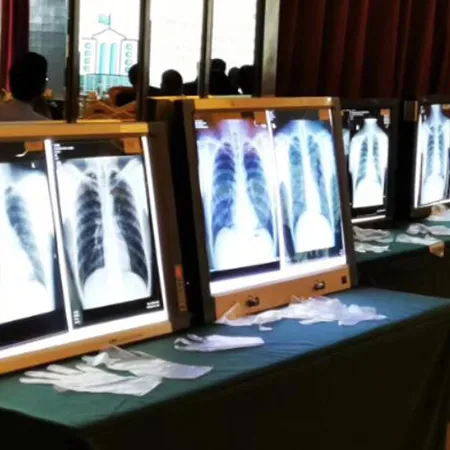
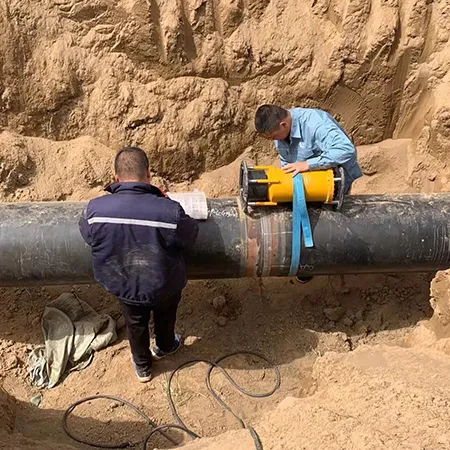
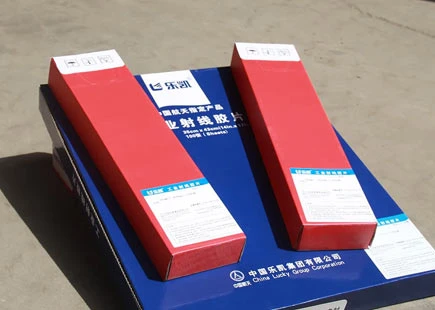
In the realm of non-destructive testing (NDT) and medical imaging, industrial x-ray film plays a crucial role. Selecting the right manufacturer is vital for consistent, high-quality results. This article delves into the world of industrial x-ray film manufacturers, exploring key considerations, applications, and the benefits of partnering with a reliable supplier like LK International. Understanding the nuances of x-ray film production ensures you receive products tailored to your specific needs and maintain the integrity of your inspection processes. Industrial x-ray film is a specialized photographic material used to capture images created by x-ray radiation. Unlike standard photographic film, industrial x-ray film is designed to have a wider dynamic range and higher resolution to accurately depict variations in material density. It’s used in various applications, including weld inspection, flaw detection, and quality control in industries like aerospace, automotive, and construction. Key characteristics include film speed, contrast, and resolution, all of which influence image quality and the ability to detect subtle defects.
Mar . 12, 2026
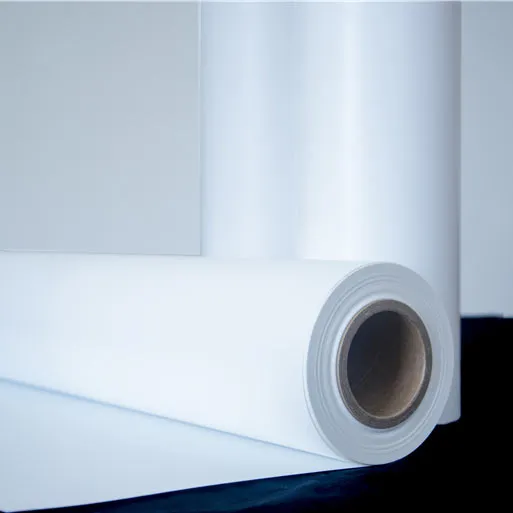
Non-destructive testing (NDT) film plays a vital role in quality control and assurance across numerous industries. From aerospace and automotive to oil & gas and medical, the ability to detect internal flaws without damaging the component is paramount. This article provides an in-depth look at NDT film, its types, applications, and benefits, offering valuable insights for professionals and those seeking to understand this critical testing method. Choosing the right NDT film ensures accurate defect detection, ultimately enhancing product reliability and safety. LK International offers a diverse range of high-quality NDT films tailored to meet various industrial requirements. NDT film, also known as radiographic film, is a specialized imaging material used in industrial radiography. It reacts to ionizing radiation (X-rays or gamma rays) to create a visible image representing the internal structure of an object. This allows inspectors to identify defects such as cracks, voids, porosity, and inclusions without disassembling or destroying the tested component.